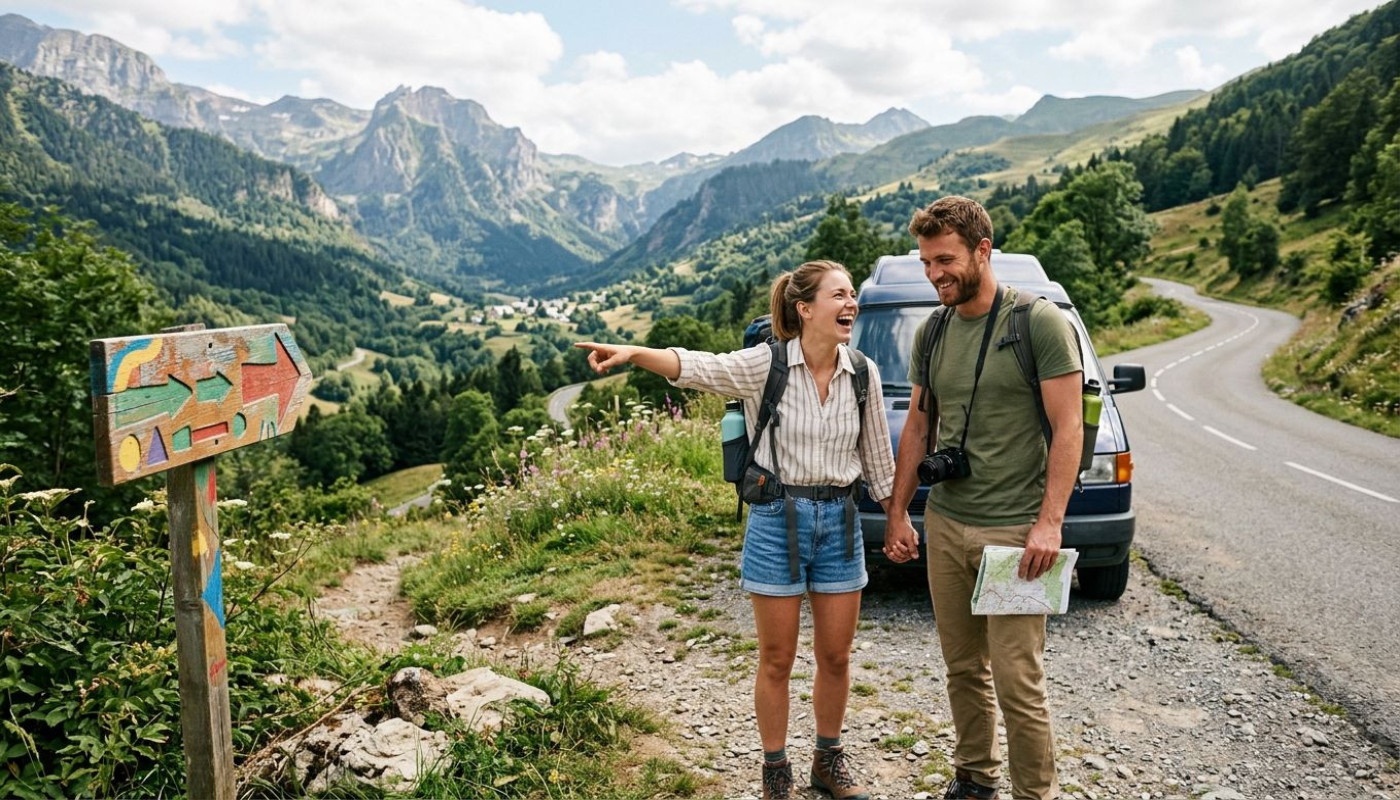
Table of contents
Missed trains, sudden storms, a museum that’s unexpectedly closed, these are the moments that can unravel a carefully built itinerary, or quietly transform it. Across Europe, post-pandemic travel patterns are still shifting, with airlines and rail networks operating under persistent operational strain, and travelers reacting by leaving more room for the unexpected. The result is a growing appetite for flexible planning, where detours are not a failure of logistics but a feature of the journey, and spontaneity becomes a way to see places as they really are.
The itinerary failed, the trip improved
Who hasn’t felt the panic of a plan collapsing? A delayed flight that eats half a day, a ferry canceled by rough seas, a reservation that vanishes because a confirmation email never arrived, these disruptions can feel like a personal affront when every hour has been accounted for. Yet in practice, the most memorable travel stories often begin exactly there, in the gap between what was scheduled and what actually happens, because the moment you stop trying to “win” against the clock, you start paying attention to the place you’re in.
There is also a structural reason spontaneity is having a moment: transport has become both more connected and more fragile. Europe’s rail networks, for instance, have expanded cross-border options and night routes in recent years, but they also face capacity bottlenecks, construction works, and periodic strikes, while airports continue to manage staffing constraints and weather-related volatility. Travelers are adapting in a very human way, by building in buffers, booking fewer non-refundable activities, and allowing themselves to pivot when reality intervenes. It isn’t about abandoning preparation; it’s about planning for imperfection, and using that imperfection as an opportunity rather than a loss.
The psychological shift matters, too. A tightly optimized itinerary can turn a holiday into a performance, where you are always “late” for the next landmark and never fully present in the current one, and the anxiety is amplified by social media’s pressure to collect proof of productivity. Detours break that spell. They make you ask local questions, read the street signs instead of the algorithm, and accept that you might not see everything, but you might feel more. If the best version of a trip is the one you can remember vividly months later, spontaneity often delivers better than strict efficiency.
Why flexibility now saves money
Is spontaneity really affordable? It can be, and increasingly it’s a rational financial strategy. The last decade has normalized dynamic pricing, not only for flights and hotels but also for attractions, car rentals, and even some restaurant bookings, and that creates a paradox: a rigid schedule can lock you into high-cost decisions, while flexible timing can let you sidestep price spikes, shoulder-season surcharges, and last-minute penalties that punish travelers who cannot move.
Start with the basics: staying even one neighborhood away from the “must-stay” zone often cuts lodging costs sharply, and flexible travelers are more willing to accept that trade. The same is true for transport choices. If you can leave at 07:12 or 10:40 rather than “must depart at 08:00,” you can often find cheaper fare buckets, and you’re more likely to take advantage of regional passes and off-peak discounts. Even in cities with expensive reputations, a detour toward local markets, canteens, and smaller museums can reduce daily spend while improving authenticity. Flexibility is not only a vibe; it’s leverage.
Then there’s the hidden cost that spontaneity can reduce: stress-driven spending. When travelers fall behind schedule, they are more likely to grab expensive taxis, eat overpriced “nearby” meals, or buy skip-the-line options out of panic, and those impulse purchases add up quickly. A looser plan lowers the probability of those forced decisions, because you have time to walk, to wait for the next tram, to compare menus, and to choose rather than react. In that sense, a detour is sometimes the cheapest route available.
That said, spontaneity works best with a few guardrails. Keep one or two “anchors” per day, a dinner reservation you truly care about, a concert ticket, a hike that depends on weather, and let everything else remain fluid. Reserve what has limited capacity, and stay flexible on what does not. It’s a simple rule, but it keeps the trip from sliding into chaos, and it ensures you’re choosing spontaneity rather than being forced into it.
Switzerland, built for last-minute pivots
Some countries reward improvisation more than others, and Switzerland is one of the clearest examples. The cliché is punctuality, but the deeper truth is reliability at scale: dense rail coverage, coordinated connections, and the kind of infrastructure that makes it realistic to wake up in one place and decide to spend the afternoon somewhere else. Add to that a geography that changes dramatically over short distances, lakes to peaks, vineyards to glaciers, and spontaneity becomes more than feasible; it becomes the most natural way to travel.
The country’s public transport system is often held up as a European benchmark, and not just because trains are frequent. It’s the integrated logic that matters: local buses, boats, mountain railways, and mainline trains are designed to connect, so a “detour” doesn’t automatically mean a logistical headache. When weather shifts in the mountains, you can pivot to a lakeside town; when cities feel crowded, you can escape to a trailhead in less time than it takes to cross a major metropolis by car. For travelers trying to embrace the unexpected without losing control, that kind of network is a quiet superpower.
Flexibility is also cultural. Switzerland has a deep tradition of outdoor life, and that translates into well-marked trails, clear signage, and accessible public spaces, which makes on-the-fly decisions safer and more comfortable. You can choose an extra cable car ride because the sky opened up, or skip a summit because clouds rolled in, and still find a rewarding alternative nearby. For practical planning, it helps to have a reliable overview of routes, passes, and seasonal options, and many travelers begin with guides such as www.tour-switzerland.ch, then tailor each day according to energy levels and conditions on the ground.
Even the famous “postcard” destinations can benefit from this approach. Instead of fighting crowds at a fixed hour, flexibility lets you arrive early, linger late, or switch to a lesser-known viewpoint when buses unload. In a country where a 30-minute difference can change the entire atmosphere of a place, spontaneity isn’t only about surprise, it’s also a strategy for comfort and calm. The detour becomes a tool: to find quieter platforms, emptier promenades, and conversations that happen when you’re not racing the clock.
How to plan for surprises, not against them
Want the freedom without the mess? The key is to treat spontaneity as a design principle. That starts before departure, with a deliberate choice to build slack into the schedule, and to avoid stacking too many fixed commitments that create domino effects. If you’re moving cities, consider traveling earlier in the day so delays don’t steal the evening, and if you’re staying put, resist the temptation to “fill” every morning with timed entries that force you into constant transit.
Use simple systems that keep you nimble. Keep a short list of “weather-proof” options, a museum day, a thermal spa, a food tour, and a parallel list of “blue-sky” options, hikes, boat rides, panoramic trains, and then decide based on conditions. Download offline maps, save key addresses, and keep tickets and confirmations in a single folder, because the enemy of spontaneity is not change, it’s disorganization. A portable power bank, a small umbrella, and a basic first-aid kit are not glamorous, but they turn unexpected turns into manageable choices rather than crises.
Budgeting is part of the same philosophy. Set aside a contingency amount specifically for detours: an extra night in a place you fall for, a last-minute seat on a scenic route, a splurge meal because you met locals who insisted, and you’ll say yes more easily, without the guilt of “breaking” the plan. The best detours often come with small costs, and they are usually worth it when you’ve accounted for them in advance. Also consider travel insurance terms carefully, especially around delays and cancellations, because flexibility is not only personal; it’s contractual.
Finally, practice leaving room for serendipity in the day itself. Walk without headphones for an hour, sit in a café without opening your phone, follow a street that looks promising, and let curiosity set the pace. The most valuable travel skill is not perfect scheduling; it’s noticing. When you build your trip around the ability to notice, detours stop being interruptions and start becoming the actual reason you went.
Practical moves before you book
Book transport and lodging early when prices are favorable, and keep your day plans intentionally light; a 10% buffer in time and money often prevents expensive last-minute fixes. Check cancellation terms, compare refundable versus non-refundable rates, and look up local or regional passes that can reduce costs. If you’re eligible, verify student, senior, or family discounts, and review public-transport options before committing to a rental car.
On the same subject
Can Slow Travel Reshape Your Perspective On Iconic Destinations?

How To Choose The Perfect Luxury Rental For Your Event Stay?

Maximizing Your Mountain Adventure: Choosing The Right Gear Rentals

Exploring The Benefits Of Different Types Of Boat Charters

Exploring The Benefits Of Custom Chauffeur Experiences For Travelers

The Top Benefits Of Choosing An All-Inclusive Surf Retreat In Central America

A Traveler's Guide To Choosing The Perfect Stay In Toulouse's Vibrant Heart

Maximizing Efficiency: The Best Practices For Utilizing Rental Vans For Your Small Business

Exploring The Architectural Marvels Of Musée Du Quai Branly
